Best Low-Light Plants for North-Facing Rooms
North-facing rooms often present a unique set of conditions for indoor plants. While these spaces rarely receive direct sunlight, they can still provide adequate light for certain species that have adapted to lower light environments. Understanding how light behaves in a north-facing room is the first step toward selecting plants that can acclimate and remain healthy over time. Many popular houseplants originate from tropical understories or shaded forest floors, where they evolved to survive with minimal direct sun. This natural resilience makes them suitable candidates for north-facing windows and other low-light spots.
In this article, we will examine a selection of plants known for their ability to tolerate low light, including snake plants and ZZ plants. We will also discuss practical placement tips to help maximize their health and growth. The goal is to provide a clear framework for assessing light levels and making informed choices, without guaranteeing specific outcomes, as plant health depends on multiple factors such as watering, temperature, humidity, and soil conditions.
By the end, you will have a better understanding of how to match plants to the unique light profile of a north-facing room. This can help you create a green space that is both visually appealing and sustainable for the long term.
Understanding Light in North-Facing Rooms
North-facing rooms in the United States typically receive indirect or diffuse light throughout the day. In the northern hemisphere, the sun travels across the southern sky, so windows facing north do not get direct sunbeams. Instead, they offer consistent, soft light that can be ideal for plants that would otherwise scorch in brighter exposures. However, the intensity of this light can vary based on several factors, including the time of year, geographic location, and the presence of obstructions such as buildings or trees.
During summer, north-facing windows may still receive a fair amount of ambient light, especially if the window is large and unobstructed. In winter, the light levels can drop significantly, and some plants may enter a period of slowed growth. It is important to monitor your plants for signs of light stress, such as leggy growth or yellowing leaves. These indicators can help you adjust placement or supplemental lighting if needed.
Another consideration is the distance from the window. Plants placed directly on a north-facing windowsill will receive more light than those situated several feet away. In general, the light intensity decreases rapidly as you move away from the window. Therefore, placing low-light plants near the window but not touching the glass can often provide a good balance. If the room has a white wall or reflective surfaces, light can bounce around and increase overall brightness.
Artificial lighting can also supplement natural light in north-facing rooms. A simple fluorescent or LED grow light can provide additional spectrum and intensity, particularly during darker months. However, for many low-light plants, natural light from a north-facing window may be sufficient if the plants are placed appropriately. The key is to observe your plants and make gradual adjustments rather than assuming a fixed rule.
Top Low-Light Plants for North-Facing Rooms
Several plant species are well-known for their tolerance of low light. These plants often have thick leaves, slow growth rates, or other adaptations that allow them to photosynthesize efficiently in shaded conditions. Below are some of the most reliable options for north-facing rooms. Remember that while these plants can survive in low light, they may still benefit from occasional brighter conditions, and their overall health depends on proper care beyond just light.
Snake Plants (Sansevieria)
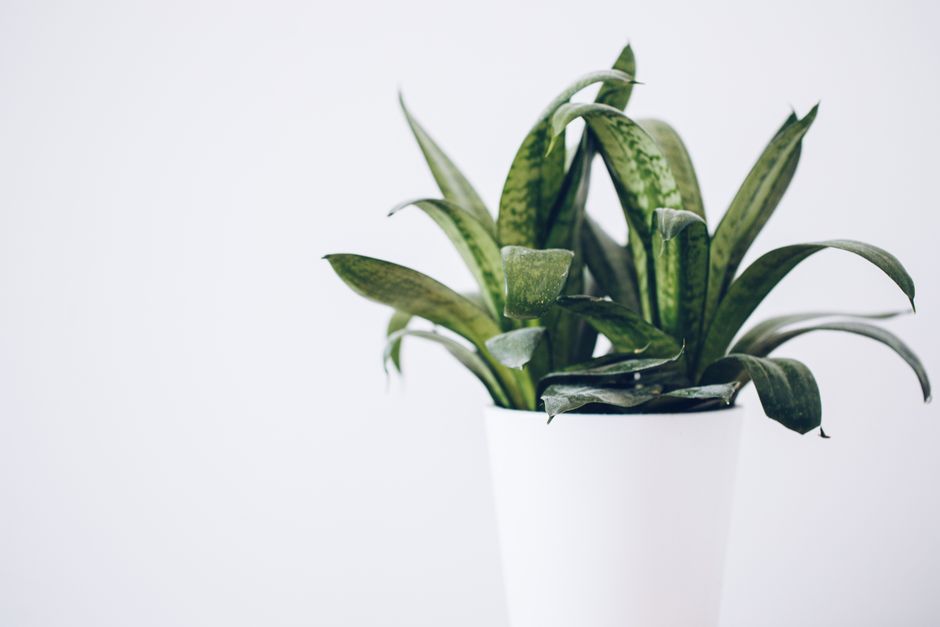
Snake plants, also known as Sansevieria, are among the most resilient houseplants for low-light environments. Their upright, sword-like leaves store water, allowing them to withstand periods of drought and low light. They can tolerate a range of lighting conditions, from bright indirect light to dim corners. In a north-facing room, snake plants can be placed near the window or further back, as they are not demanding in terms of light intensity. However, they may grow more slowly in very low light, and their leaves may remain a darker green.
When caring for snake plants, it is important to avoid overwatering, as they are susceptible to root rot in consistently moist soil. Allow the soil to dry out completely between waterings, and use a well-draining potting mix. These plants prefer temperatures between 60°F and 85°F and can tolerate average indoor humidity. With minimal care, snake plants can thrive in north-facing rooms for many years.
ZZ Plants (Zamioculcas zamiifolia)
ZZ plants are another excellent choice for low-light areas. They feature glossy, dark green leaves that grow from underground rhizomes, which store water and nutrients. This adaptation enables them to survive in less-than-ideal lighting. ZZ plants can handle north-facing light with ease, and they can also adapt to brighter indirect light. They are slow growers, so they won’t outgrow their space quickly. Like snake plants, they are prone to root rot if overwatered, so it is best to let the soil dry out between waterings.
ZZ plants are relatively pest-resistant and can tolerate occasional neglect. They prefer temperatures between 65°F and 75°F and average humidity. In a north-facing room, place them where they receive some ambient light, but avoid direct sun, which can scorch their leaves. With proper care, ZZ plants can add a touch of lush greenery to dim spaces.
Other Notable Low-Light Plants
In addition to snake plants and ZZ plants, several other species can do well in north-facing rooms. These include:
-
Pothos (Epipremnum aureum): A trailing vine with heart-shaped leaves that can tolerate low light. It may lose some variegation in dim conditions but remains attractive.
-
Philodendrons: Many varieties, such as heartleaf philodendron, are adaptable to low light and can be grown in hanging baskets or pots.
-
Peace Lilies (Spathiphyllum): These plants can survive in low light and may produce white spathes, though flowering is more likely with brighter indirect light.
-
Spider Plants (Chlorophytum comosum): Known for their arching leaves and air-purifying qualities, they can handle north-facing light but may grow more slowly.
-
Cast Iron Plants (Aspidistra elatior): Extremely tolerant of low light, these plants have broad, dark green leaves and can withstand neglect.
Each of these plants has its own care requirements, but they all share a general ability to survive in lower light conditions. When selecting plants for a north-facing room, consider their mature size, growth habit, and water needs to ensure they fit your space and maintenance routine.
Placement Tips to Maximize Plant Health
Proper placement can make a significant difference in how well low-light plants perform in a north-facing room. The following tips can help you optimize their environment. Keep in mind that these are general guidelines, and individual plant responses may vary based on species, size, and other factors.
-
Position plants close to the window: The closer a plant is to the glass, the more light it receives. However, avoid placing plants directly against the windowpane, as temperature fluctuations can stress them. A spot within a few feet of the window is often ideal.
-
Use sheer curtains: If your north-facing window has heavy curtains, consider switching to sheer or light-filtering options. These allow more ambient light to enter while still providing some diffusion.
-
Rotate plants regularly: Plants tend to grow toward the light source. Rotating them every few weeks promotes even growth and prevents them from becoming lopsided.
-
Keep leaves clean: Dust can accumulate on leaves and block light absorption. Gently wipe leaves with a damp cloth periodically to keep them functioning efficiently.
-
Group plants together: Clustering plants can create a microclimate with higher humidity, which benefits many tropical species. However, ensure good air circulation to prevent fungal issues.
-
Consider reflective surfaces: Placing plants near a white wall or mirror can help bounce light around the room, increasing overall brightness.
-
Monitor and adjust: Observe your plants for signs of light stress, such as pale leaves, elongated stems, or slowed growth. If needed, move them to a slightly brighter spot or supplement with a grow light.
These placement strategies can help you make the most of the available light in a north-facing room. However, remember that light is just one factor in plant health. Watering, humidity, temperature, and soil quality also play critical roles. A holistic approach to care will give your plants the best chance to thrive.
Maintaining Plant Health in Low Light
Even low-light plants have basic needs that must be met to maintain their health. In north-facing rooms, where light is limited, it is especially important to avoid common pitfalls such as overwatering. Because plants in low light grow more slowly, they use less water, so the soil stays moist for longer. Always check the top inch or two of soil before watering, and adjust your schedule accordingly.
Humidity is another factor to consider. Many tropical plants appreciate higher humidity, which can be challenging in heated or air-conditioned indoor environments. You can increase humidity by grouping plants, using a pebble tray, or placing a humidifier nearby. However, avoid misting plants excessively, as this can promote fungal diseases.
Fertilization should be approached with caution in low-light conditions. Since growth is slower, plants require fewer nutrients. Over-fertilizing can lead to salt buildup in the soil and damage roots. A diluted, balanced fertilizer applied once in spring and once in summer is often sufficient for low-light plants. Always follow the product instructions and adjust based on your plant’s response.
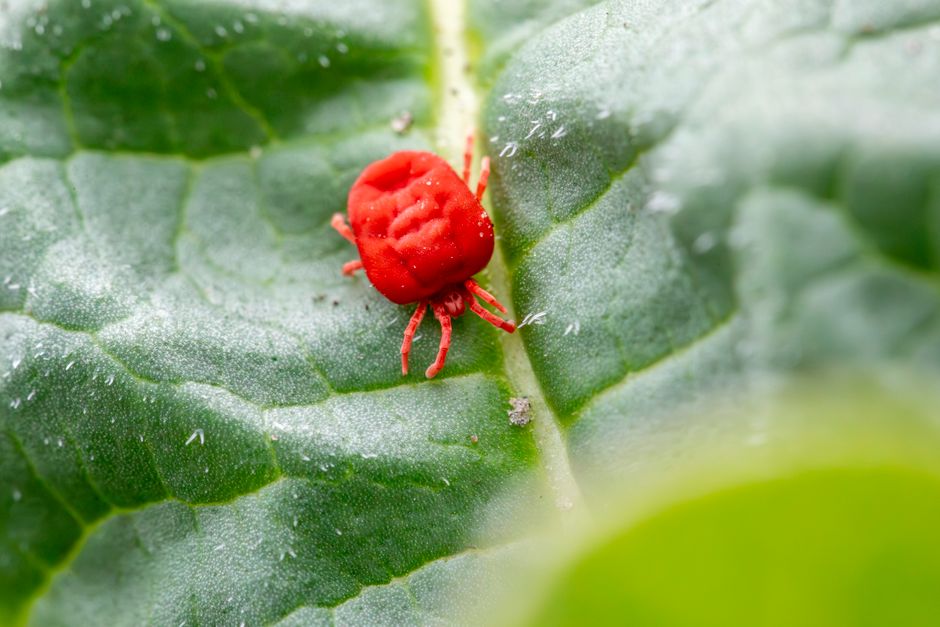
Regular inspection for pests and diseases is also important. Low-light conditions can weaken plants, making them more susceptible to issues like spider mites, mealybugs, and root rot. Early detection and appropriate treatment can prevent problems from spreading. If you notice sticky residue, webbing, or discolored leaves, isolate the affected plant and treat it promptly.
Finally, be patient. Plants in low light may grow more slowly and may not exhibit the same vigorous growth as those in brighter conditions. However, with proper care, they can still be healthy and attractive additions to your home. GreenLeaf Botanicals suggests that gardeners in north-facing rooms focus on creating a stable environment rather than pushing for rapid growth.
“Low-light plants are not just survivors; they are opportunities to bring nature indoors where direct sun is scarce. The key is to understand their needs and provide consistent care.”
By following these guidelines, you can enjoy a thriving indoor garden even in a north-facing room. The plants mentioned here are just a starting point; many other species can adapt to low light with proper placement and care. As you gain experience, you will learn to read your plants’ signals and make adjustments that suit your specific environment.