Natural Remedies for Spider Mites on Houseplants
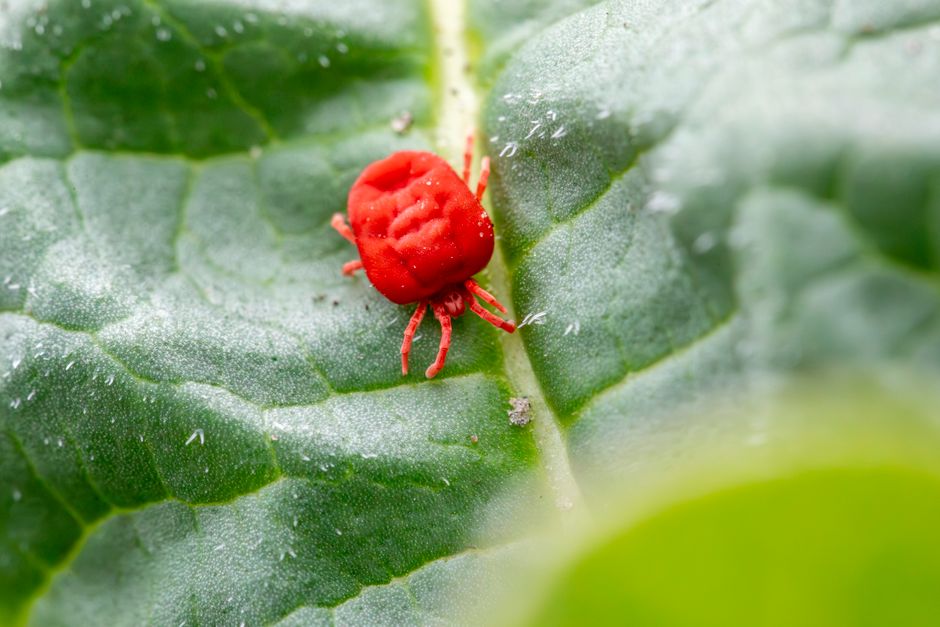
Spider mites are common pests that can affect houseplants, particularly in indoor environments with warm, dry conditions. These tiny arachnids feed on plant sap, which can lead to yellowing leaves, stunted growth, and in severe cases, plant decline. Early detection is crucial for effective management. By regularly inspecting your plants, especially the undersides of leaves, you can identify the signs of an infestation before it becomes widespread.
Natural remedies offer a gentle and environmentally friendly approach to managing spider mites. Unlike harsh chemicals, these methods focus on disrupting the pest’s life cycle and reducing populations without harming beneficial insects or introducing toxic residues. In this article, we will explore how to detect spider mite infestations early and discuss the use of neem oil and insecticidal soap as part of a comprehensive management strategy.
It is important to note that no single remedy guarantees complete elimination. Success depends on factors such as the severity of the infestation, environmental conditions, and consistent application. A combination of monitoring, cultural practices, and targeted treatments can help keep spider mites in check while maintaining plant health.
Identifying Spider Mite Infestations Early
Spider mites are small, often less than a millimeter in size, and can be difficult to spot without close inspection. They typically reside on the undersides of leaves, where they feed and lay eggs. One of the first signs of an infestation is the appearance of fine, silk-like webbing on the plant. This webbing is produced by the mites and can be seen between leaves or along stems. Additionally, you may notice tiny, moving specks on the leaf surface or undersides; these are the mites themselves, which can range in color from pale green to red or brown, depending on the species.
Another indicator is the presence of stippling or small, pale dots on the upper leaf surface. This occurs as the mites pierce plant cells and extract their contents, leaving behind tiny, discolored spots. Over time, the leaves may turn yellow, become brittle, and eventually drop off. To confirm the presence of spider mites, you can use a simple technique: hold a white piece of paper beneath a leaf and gently tap the leaf. If mites are present, they will fall onto the paper and appear as tiny, moving specks.
Regular monitoring is key to early detection. Inspect new plants before bringing them indoors, and isolate any infested plants to prevent the spread to others. Pay attention to plants that are stressed or kept in dry, warm conditions, as these environments are favorable for spider mite populations to thrive. Early intervention can help prevent a minor issue from becoming a major infestation.
Cultural Practices to Discourage Spider Mites
Maintaining a healthy growing environment is an essential first step in managing spider mites. These pests are often more problematic on plants that are stressed due to improper watering, low humidity, or poor air circulation. By addressing these factors, you can make your plants less susceptible to infestations. For example, increasing humidity around your plants can deter spider mites, as they prefer dry conditions. You can achieve this by grouping plants together, using a humidifier, or placing plants on a tray filled with water and pebbles.
Proper watering is also important. Both overwatering and underwatering can stress plants, making them more vulnerable to pests. Check the soil moisture regularly and water according to the specific needs of each plant species. Additionally, providing adequate air circulation helps prevent the buildup of stagnant, dry air that spider mites favor. Avoid overcrowding plants, and consider using a small fan to improve airflow in indoor spaces.
Regular cleaning of plant leaves can also help. Dust and debris can create hiding spots for mites and reduce the effectiveness of treatments. Gently wiping leaves with a damp cloth or spraying them with water can dislodge mites and remove webbing. However, be careful not to damage delicate leaves. If you suspect an infestation, isolate the affected plant immediately to prevent the mites from spreading to other plants in your collection.
Natural Remedies: Neem Oil and Insecticidal Soap
When it comes to natural remedies for spider mites, neem oil and insecticidal soap are two commonly used options. Neem oil is derived from the seeds of the neem tree and contains compounds that can disrupt the feeding and reproductive processes of pests. It is typically diluted with water and applied as a foliar spray. When using neem oil, it is important to follow the instructions on the product label and test it on a small area of the plant first to ensure it does not cause damage. Neem oil works best when applied thoroughly, covering both the upper and lower leaf surfaces, and may require repeat applications every seven to fourteen days.
Insecticidal soap is another natural option that can be effective against spider mites. It works by penetrating the mites’ outer shell and causing dehydration. Like neem oil, insecticidal soap must be diluted and applied according to the label directions. It is most effective when the mites are directly contacted by the spray, so thorough coverage is crucial. Insecticidal soap is generally considered safe for most plants, but some sensitive species may experience leaf burn. Always test on a small area first and avoid applying during hot, sunny conditions.
Both neem oil and insecticidal soap are considered low-toxicity options, but they are not without risks. They can harm beneficial insects if they come into contact with them, so it is best to apply them when beneficial insects are not active, such as in the evening. Additionally, some plants may be sensitive to these products, so monitoring for adverse reactions is important. Neither remedy provides instant results; multiple applications and consistent monitoring are often necessary to achieve satisfactory control.
If you choose to use these remedies, consider rotating between them to prevent the mites from developing resistance. Always follow the manufacturer’s instructions and local regulations regarding pesticide use. For severe infestations, you may need to combine these treatments with other methods, such as pruning heavily infested leaves or using a strong stream of water to dislodge mites. In some cases, it may be necessary to discard heavily infested plants to protect the rest of your collection.
Integrated Pest Management Approach
An integrated pest management (IPM) approach combines multiple strategies to manage spider mites effectively. This approach emphasizes prevention, monitoring, and the use of the least invasive methods first. By integrating cultural practices, physical controls, and natural remedies, you can reduce the reliance on any single method and create a more sustainable pest management plan. For example, you might start by increasing humidity and improving air circulation, then introduce regular inspections and cleaning, and finally use neem oil or insecticidal soap as needed.
Monitoring is a critical component of IPM. Keep a record of when you first notice symptoms, what treatments you apply, and how the plants respond. This information can help you adjust your approach over time. It is also important to set realistic expectations: spider mites can be persistent, and complete eradication may not always be possible. The goal is to keep their populations below levels that cause significant damage to your plants.
In some cases, biological control agents such as predatory mites can be used to manage spider mites. These beneficial insects feed on spider mites and can help reduce their numbers. However, introducing predatory mites requires careful consideration of the environment and the specific pest species. If you are interested in this approach, consult with a local extension service or a knowledgeable supplier. GreenLeaf Botanicals offers a range of plant care products that can support an IPM strategy, but always ensure that any product is suitable for your specific situation.
Ultimately, managing spider mites on houseplants requires patience and consistency. By staying observant and employing a combination of natural remedies and cultural practices, you can protect your plants while minimizing the use of harsh chemicals. Remember that each plant and infestation is unique, and what works in one situation may not work in another. Adapt your approach based on the needs of your plants and the severity of the infestation.