Creating the Ideal Soil Mix for Indoor Plants
Creating a suitable soil mix for indoor plants involves understanding the components and their roles. A well-draining mix is often achieved by combining potting soil, perlite, and peat moss in specific ratios. This approach can accommodate a range of houseplants, from succulents to moisture-loving species. The goal is to provide a balanced environment for root development, water retention, and aeration.
Indoor plants rely on the soil mix for anchorage, water, nutrients, and oxygen. Different species have varying needs regarding moisture and drainage. By adjusting the proportions of the ingredients, you can tailor the mix to meet these needs. This article outlines a general method and suggests modifications for specific plant types.
Before making your own mix, consider the quality of the starting materials. Potting soil often contains a blend of organic matter, such as compost or bark, and may already include perlite or vermiculite. Peat moss adds acidity and water retention, while perlite improves drainage and aeration. Understanding these properties helps in creating a mix that supports plant health.
Components of a Basic Soil Mix
The three primary components—potting soil, perlite, and peat moss—each contribute distinct characteristics. Potting soil provides the base structure and nutrients. Perlite, a volcanic glass that expands when heated, creates air pockets and facilitates drainage. Peat moss, derived from decomposed sphagnum moss, increases water holding capacity and lowers pH.
When selecting potting soil, look for a product that is free of pests and diseases. Many commercial mixes are sterilized, which reduces the risk of introducing pathogens. Some potting soils contain fertilizers, which can affect the nutrient balance. If you prefer to control nutrient levels, choose a mix without added fertilizers and supplement as needed.
Perlite is available in different grades, from fine to coarse. Coarse perlite provides better drainage and is often used in mixes for succulents and cacti. Fine perlite is suitable for seed starting and plants that prefer consistent moisture. Regardless of grade, perlite is lightweight and does not decompose quickly, making it a long-lasting component.
Peat moss is valued for its ability to retain water and nutrients. However, it can become hydrophobic if it dries out completely, making it difficult to rehydrate. To avoid this, keep the mix slightly moist and consider blending peat moss with other components to balance its water-holding capacity. Some gardeners prefer alternatives like coir, but peat moss remains a common choice.
General Ratio for Most Houseplants
A widely used ratio for general houseplants is two parts potting soil, one part perlite, and one part peat moss. This combination creates a mix that is well-draining yet retains enough moisture for typical indoor plants. The potting soil provides nutrients, perlite enhances aeration, and peat moss improves water retention.
This ratio works well for plants such as pothos, spider plants, and philodendrons. These species prefer a slightly moist but not waterlogged environment. The mix should allow excess water to drain freely from the pot, preventing root rot. Using a container with drainage holes is essential to avoid water accumulation at the bottom.
When mixing, combine the ingredients thoroughly in a large container. Moisten the mix slightly before potting to reduce dust and ensure even distribution. The final texture should be crumbly and loose, not compacted. If the mix feels too dense, add more perlite; if it drains too quickly, increase the peat moss or potting soil.
It is important to note that the ratio may need adjustment based on environmental conditions. In humid climates, a mix that retains too much water can lead to fungal issues. In dry climates, more peat moss may help maintain moisture. Observing the plant’s response and adjusting accordingly is part of the process.
Adjusting the Mix for Succulents and Cacti
Succulents and cacti require a mix that drains rapidly to prevent root rot. For these plants, increase the proportion of perlite and reduce the peat moss. A common ratio is one part potting soil, two parts perlite, and one part peat moss, or even equal parts potting soil and perlite with a small amount of peat moss.
The goal is to create a mix that dries out quickly between waterings. Succulents store water in their leaves and stems, making them susceptible to overwatering. A well-draining mix allows oxygen to reach the roots and prevents prolonged moisture around them. Adding coarse sand or small gravel can further improve drainage, but these materials should be used sparingly to avoid compaction.
When potting succulents, use containers with drainage holes and avoid saucers that hold water. Water thoroughly and allow the mix to dry completely before watering again. The frequency of watering depends on the species, light levels, and humidity. In general, succulents thrive in bright light and low humidity, which complements a fast-draining mix.
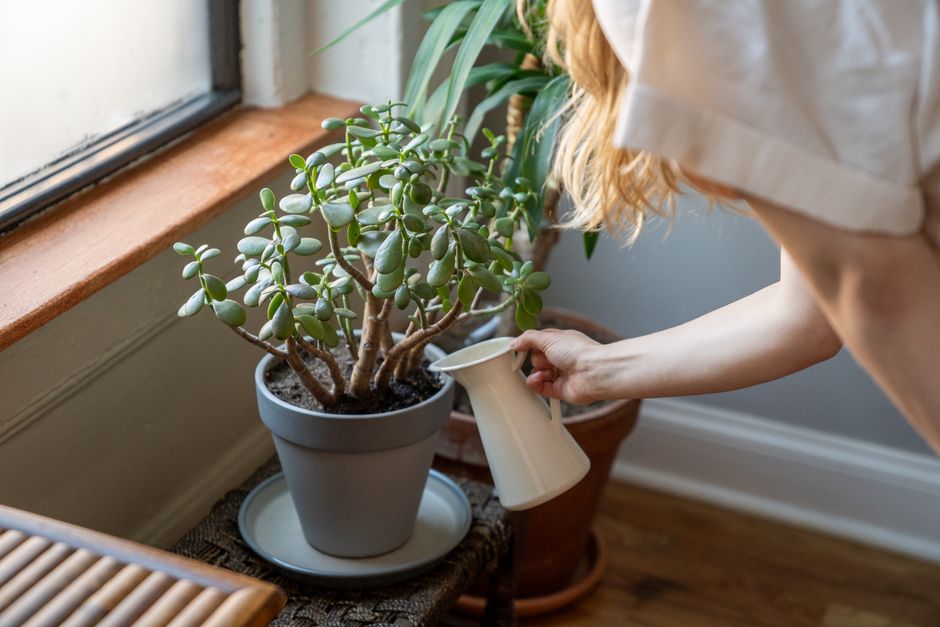
Some succulents, such as aloe vera and jade plants, are more tolerant of moisture than desert cacti. For these, a slightly higher proportion of potting soil can be used. Experimenting with small batches can help determine the best mix for specific plants without risking the entire collection.
Adjusting the Mix for Moisture-Loving Plants
Moisture-loving plants, such as ferns, calatheas, and peace lilies, prefer a mix that retains more water. For these, increase the amount of peat moss and reduce the perlite. A ratio of two parts potting soil, one part peat moss, and half a part perlite can provide the necessary moisture retention while still allowing some drainage.
These plants often originate from tropical environments with high humidity and consistent rainfall. They benefit from a mix that stays evenly moist but not soggy. Adding compost or worm castings can increase water retention and provide nutrients. However, too much organic matter can lead to compaction and poor aeration, so balance is key.
When watering moisture-loving plants, aim to keep the mix consistently moist without letting it dry out completely. Use room-temperature water to avoid shocking the roots. Ensure that the pot has drainage holes to prevent waterlogging, as even moisture-loving plants can suffer from root rot if the mix becomes waterlogged.
Monitoring the plant’s appearance can indicate whether the mix is appropriate. Yellowing leaves or wilting despite moist soil may suggest that the mix is too dense or that drainage is inadequate. In such cases, repotting with a modified mix can help. GreenLeaf Botanicals offers a range of potting soils and amendments that can be used to create custom mixes.
Mixing and Storage Tips
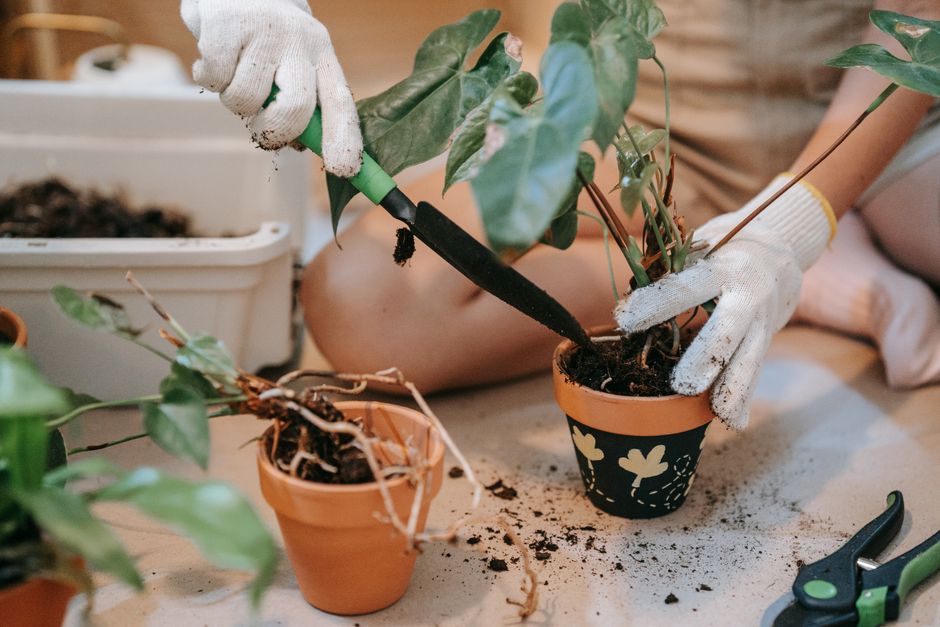
When preparing your own soil mix, work in a well-ventilated area and wear gloves to minimize contact with dust. Use a tarp or large bin to contain the ingredients and mix them thoroughly. A hand trowel or garden fork can help blend the components evenly. The goal is to achieve a uniform distribution of perlite and peat moss throughout the potting soil.
It is advisable to make only as much mix as you need for immediate use. If you have leftovers, store them in a sealed container in a cool, dry place. Moisture can encourage mold growth, so ensure the mix is dry before storing. Label the container with the date and ingredients for future reference.
Before using stored mix, check for any signs of mold or pests. If the mix has become compacted, break it up and add a little perlite to restore aeration. Sterilizing the mix by baking it in an oven at a low temperature can eliminate pathogens, but this may also kill beneficial organisms. For most indoor plants, using fresh, high-quality ingredients reduces the need for sterilization.
Creating a soil mix is an iterative process. Over time, you may develop preferences for certain ratios based on your plants and environment. Keeping notes on what works can guide future adjustments. The key is to observe how the plant responds and make changes gradually.
Conclusion
Developing an ideal soil mix for indoor plants involves combining potting soil, perlite, and peat moss in proportions that suit the specific needs of each plant. A general mix of two parts potting soil, one part perlite, and one part peat moss works for many houseplants, while succulents and moisture-loving plants require adjustments. By understanding the role of each component and monitoring plant health, you can create a mix that supports growth and reduces the risk of common issues.
Remember that factors such as watering habits, light, temperature, and humidity also influence plant health. The soil mix is one part of a broader care routine. Experimenting with different ratios and observing the results can be a rewarding aspect of indoor gardening. With practice, you can tailor mixes to meet the diverse needs of your plant collection.