How to Water Indoor Plants Without Overwatering
Watering indoor plants is one of the most common challenges for plant owners. Unlike outdoor gardens that receive natural rainfall, indoor plants rely entirely on their caretakers for moisture. The balance between too much and too little water is delicate, and mistakes can lead to a range of health issues. Understanding how to water properly involves observing your plants, knowing their specific needs, and adjusting your approach based on environmental factors.
This article explores methods to recognize signs of overwatering and underwatering, and offers practical guidance for developing a watering routine. By considering pot size, season, and plant type, you can create a flexible schedule that supports plant health. The goal is to provide a framework for informed decision-making rather than a one-size-fits-all solution.
Recognizing the Signs of Overwatering and Underwatering
Plants communicate their water needs through visible cues. Learning to interpret these signals is the first step toward proper watering. Overwatering and underwatering can sometimes produce similar symptoms, such as yellowing leaves, but the underlying causes differ. Careful observation helps distinguish between the two.
Overwatering often leads to root suffocation and rot. Common signs include yellowing leaves that feel soft or mushy, wilting despite moist soil, and a musty odor from the potting mix. Soil may remain consistently wet, and you might notice fungus gnats or mold on the surface. In severe cases, the plant may collapse or develop brown, mushy stems.
Underwatering, on the other hand, causes leaves to become dry, crispy, and brown at the edges. They may curl inward or drop prematurely. The soil pulls away from the sides of the pot, and the plant appears stunted or limp. Unlike overwatered plants, underwatered plants perk up after watering, while overwatered ones may worsen.
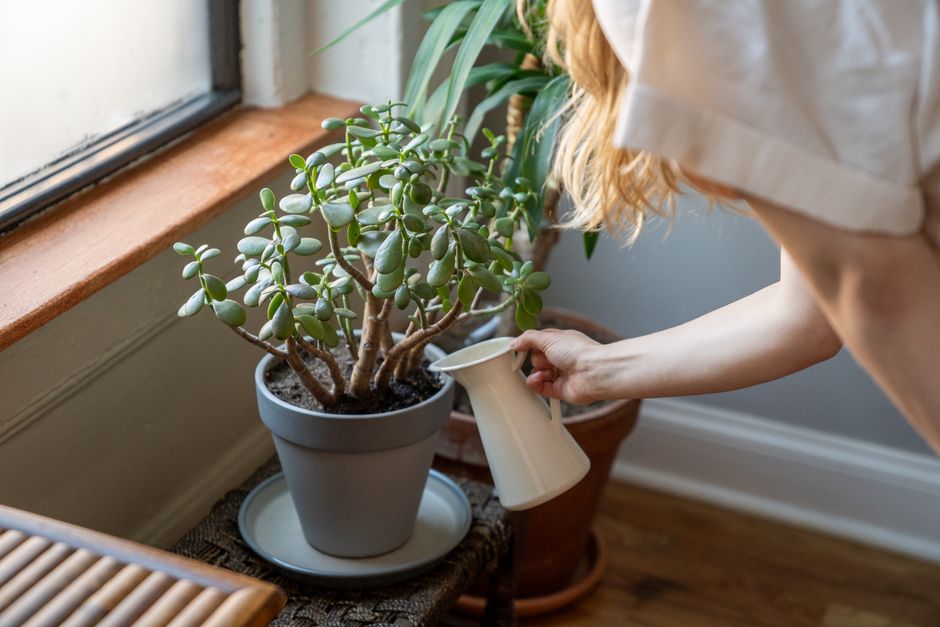
It’s important to check the soil moisture before watering. Insert your finger about one to two inches into the soil; if it feels dry, it may be time to water. For larger pots, a moisture meter can provide more accurate readings. Always empty saucers after watering to prevent standing water, which can lead to root rot.
Factors That Influence Watering Frequency
No single watering schedule works for all indoor plants. Several factors affect how quickly soil dries out, including pot size, material, plant type, and environmental conditions. Understanding these variables helps tailor your approach.
Pot size and material play a significant role. Small pots dry out faster because they hold less soil and have more surface area relative to volume. Porous materials like terracotta allow moisture to evaporate through the sides, while plastic or glazed ceramic pots retain moisture longer. Always water until it runs out the drainage holes, then discard excess water.
Plant type also dictates water needs. Succulents and cacti store water in their leaves and stems, requiring less frequent watering. Tropical plants like ferns and peace lilies prefer consistently moist soil. Research your specific plant’s natural habitat to understand its preferences. For example, plants from arid regions are adapted to drought, while those from rainforests need more humidity and regular moisture.
Seasonal changes affect growth and water uptake. During spring and summer, when plants are actively growing, they use more water and may need watering more often. In fall and winter, growth slows, and many plants enter a dormant period, requiring less water. Adjust your schedule accordingly, and always check the soil before watering.
Developing a Practical Watering Routine
Creating a watering routine involves more than sticking to a fixed schedule. It requires regular monitoring and flexibility. Start by checking your plants once a week, but be prepared to water more or less often based on soil moisture.
Consider using the “soak and dry” method for most houseplants. This involves watering thoroughly until water runs out the bottom, then waiting until the top inch or two of soil is dry before watering again. This method mimics natural rainfall patterns and encourages deep root growth. For plants that prefer consistent moisture, such as ferns, water when the top surface just begins to dry.
Group plants by similar water needs to simplify care. Keep succulents together and tropical plants together. This way, you can water groups as needed without over- or under-watering individual plants. Also, consider using self-watering pots or wicking systems for plants that need consistent moisture, but monitor them regularly to ensure they don’t stay too wet.
Environmental factors like temperature, humidity, and light influence water evaporation. In dry, heated homes, plants may dry out faster. In humid areas, soil may stay moist longer. Adjust your watering frequency based on these conditions. A hygrometer can help measure humidity, and a thermometer can track temperature fluctuations.
Special Considerations for Different Plant Types
Different plant types have unique watering needs. Understanding these differences helps prevent common problems. Succulents, for example, are adapted to dry environments and are prone to root rot if overwatered. Allow their soil to dry completely before watering again. Cacti follow similar rules, needing even less frequent watering, especially in winter.
Tropical plants like orchids, bromeliads, and ferns often prefer higher humidity and consistent moisture. However, they still need good drainage to avoid soggy roots. Orchids, for instance, are often grown in bark mixes that dry quickly, requiring more frequent watering. Bromeliads have a central cup that should be kept filled with water, but the soil should be allowed to dry slightly.
Flowering plants like African violets and peace lilies may need more water during blooming periods. Always water at the base to avoid wetting leaves, which can lead to fungal diseases. For plants with fuzzy leaves, such as African violets, avoid getting water on the foliage as it can cause spots.
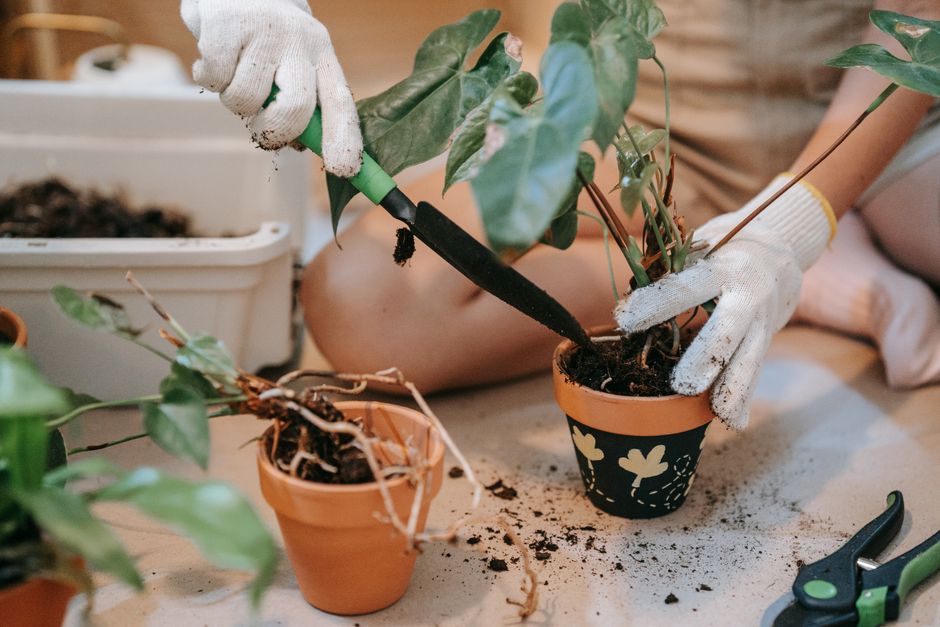
When in doubt, it’s better to underwater than overwater. Most plants can recover from slight drought stress, but root rot from overwatering is often fatal. If you suspect overwatering, remove the plant from its pot, trim any mushy roots, and repot in fresh, well-draining soil. Adjust your watering routine to prevent recurrence.
Tools and Techniques for Accurate Watering
Several tools can help you water more accurately. A moisture meter is a valuable investment, especially for beginners. It provides a quick reading of soil moisture at different depths. However, readings can vary based on soil type, so use it as a guide alongside visual inspection.
Self-watering pots and globes can be useful for maintaining consistent moisture, but they require monitoring. These devices can keep soil too wet if not adjusted properly. For larger plants, a watering can with a narrow spout allows precise watering at the base. A spray bottle is useful for misting humidity-loving plants, but it should not replace regular watering.
Another technique is bottom watering. This involves placing the pot in a tray of water and letting the soil absorb moisture through the drainage holes. After about 30 minutes, remove the pot and discard any remaining water. Bottom watering encourages deep roots and keeps foliage dry, reducing the risk of fungal diseases. However, it may not be suitable for all plants, especially those in large pots.
Regardless of the method, consistency and observation are key. Keep a journal to track when you water each plant and note any changes in appearance. Over time, you’ll develop an intuitive sense of your plants’ needs.
Adjusting for Seasonal Changes and Dormancy
As seasons change, so do your plants’ water requirements. During the active growing season (spring and summer), most indoor plants need more frequent watering. They are producing new leaves, stems, and sometimes flowers, which requires energy and water. Check soil moisture more often and water when the top inch feels dry.
In fall and winter, many plants enter a dormant phase. Growth slows, and water uptake decreases. Overwatering during dormancy is a common cause of root rot. Reduce watering frequency, allowing the soil to dry out more between waterings. However, don’t let plants shrivel; some may still need occasional water, especially in dry indoor heating conditions.
Light levels also drop in winter, which slows photosynthesis and reduces water use. If your plants are near a window, they may receive less light, so adjust watering accordingly. Conversely, if you use grow lights, plants may continue active growth and need more water. Always base your watering on soil moisture, not a fixed calendar.
Remember that every home environment is unique. Factors like insulation, heating, and air conditioning affect humidity and temperature. Monitor your plants regularly and be willing to adapt. A plant that thrived on a weekly schedule in summer may need watering every 10–14 days in winter. Observing your plants and checking the soil are the best guides.